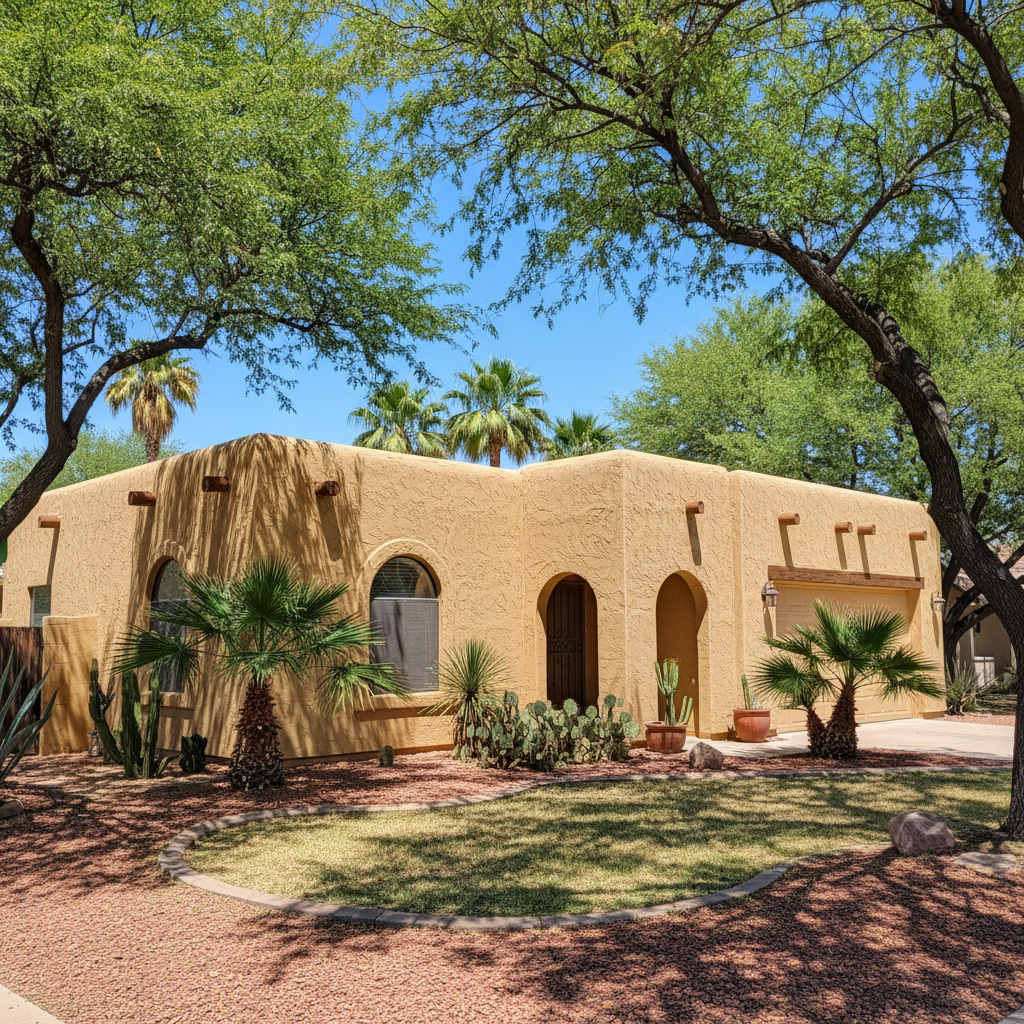
You know how our Yuma weather can be, right? Most of the year, it's just gorgeous, but those summers? Brutal. That extreme heat, the intense sun, and then the monsoon storms – they all really take a toll on your stucco, affecting how well it performs and how long it lasts. Getting stucco installed or fixed isn't just about picking a contractor; it's about choosing the right time and knowing how to keep it looking great all year long.
When's the Best Time for Stucco Work in Yuma, Anyway?
Let's be real, you can't just slap stucco on a wall any old day here. This stuff needs specific conditions to cure properly, and our desert climate certainly throws some curveballs. Generally speaking, you'll want mild, stable weather.
-
Fall through Early Spring (October to April): This is definitely your sweet spot. Temperatures usually hang out between 50°F and 85°F, which is just perfect for stucco to dry and cure evenly. We're not battling the scorching summer sun or those wild monsoon storms. This window gives the stucco plenty of time to set up right before the real heat kicks in, you know?
-
Summer (May to September): Okay, this is a tough one for stucco work. It's not impossible, but you've got to be super careful. Extreme heat can make stucco dry way too fast, and that, my friend, leads to cracks. If we absolutely have to work in the summer, we'll schedule applications during cooler hours, like early mornings or late afternoons. We might even use misting systems or damp burlap to keep the surface from drying out too quickly, and sometimes we'll add retardants to slow down the curing. We also shield walls from direct sun with tarps. It's all about managing that moisture and temperature to get a good, strong finish.
-
Monsoon Season (July to September): This overlaps with summer, but it really deserves its own mention. Rain is a big no-no for fresh stucco. It can totally mess up the curing process, wash away the material, and weaken it before it even sets. Plus, those heavy rains can make Yuma's caliche soil shift, which can cause cracks in masonry from the ground up. Trying to do stucco work during a monsoon is just asking for trouble and a job that won't last.
Weather Conditions That Really Make a Difference
It's not just about the season; it's about what's happening outside day-to-day. Stucco is a cement-based material, and its curing process is pretty sensitive to moisture and temperature.
-
Temperature: Ideally, we're looking for temps between 50°F and 85°F. Anything below 40°F can stop it from curing right, and anything above 90°F without careful moisture control can cause it to dry too fast and crack. That's why those mild Yuma winter days are just perfect.
-
Humidity: Low humidity helps stucco dry, but if it's too dry, especially with high heat, you'll see cracks. Moderate humidity is best for good adhesion and a nice finish.
-
Rain: Like I said before, rain and fresh stucco just don't mix. We always keep a really close eye on the forecast.
Protecting Your Stucco Investment All Year Long
Once your stucco is up, the job isn't over. Our Yuma climate is tough, and your stucco needs a little TLC to last. Here's what you should do to protect your home's exterior:
Regular Inspections are Key
Take a walk around your house at least twice a year – maybe once in the spring and again in the fall. Look for any tiny hairline cracks, especially around windows and doors; those are pretty common because buildings move and temperatures change. Also, check for any chips, crumbling edges, or hollow-sounding spots when you tap on it. Catching small issues early can save you a ton of money down the road.
Clean It Gently
Dust and dirt really pile up fast here, especially with our windy days. Clean your stucco gently once or twice a year. A garden hose and a soft-bristled brush are usually all you'll need. Stay away from high-pressure washers, though – they can damage the surface. For tougher stains, a mild soap-and-water solution works wonders.
Address Cracks Promptly
Even small hairline cracks can let moisture in, and that's when the real problems start. Seal those little cracks with elastomeric caulk or a stucco patch. If you see bigger cracks, or if they keep coming back, it's time to call in the pros at Yuma Stucco & Plastering. We can check things out and make sure the repair is done right.
Manage Moisture
While Yuma is dry, our monsoon season brings intense, short bursts of rain. Make sure your gutters and downspouts are clear and directing water away from your home's foundation. You definitely don't want water pooling near your stucco. Also, keep an eye out for white chalky staining (that's called efflorescence) – it often means moisture is moving through the wall where it shouldn't be.
Consider Repainting or Sealing
Our intense UV rays can make stucco paint fade and get chalky over time. Repainting every 7-10 years with a high-quality, UV-resistant paint not only keeps your home looking good but also adds an extra layer of protection against the elements and helps prevent those hairline cracks.
Stucco is a fantastic choice for Yuma homes. It's durable, helps with energy efficiency, and looks great. But like anything else, it needs proper installation and ongoing care to truly stand the test of time in our unique desert environment. Don't cut corners, and your stucco will protect your home for decades.