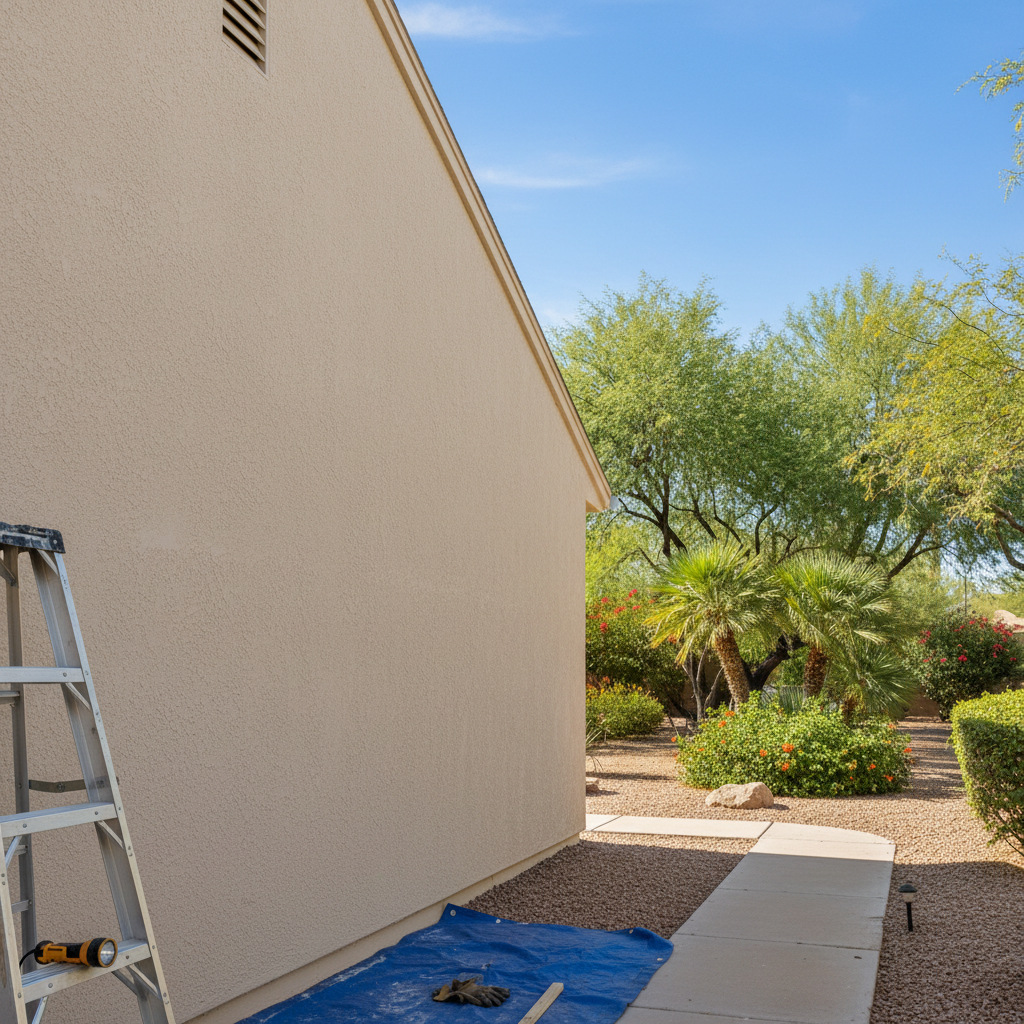
Alright, let's talk stucco. You've got it on your home here in Yuma, and you probably expect it to last. And it will, if you treat it right. But 'treating it right' isn't just about admiring it from the curb, is it? It's about understanding what our desert climate does to it and how to fight back. I've seen plenty of stucco jobs over the years, good ones and bad ones, and the difference often comes down to how well it's maintained.
Extending Your Stucco's Lifespan in the Desert Sun
Our Yuma sun is no joke. It's relentless, and it’s the biggest factor in how long your stucco lasts. The UV rays, the extreme heat, and those sudden monsoon downpours all play a part. So, what can you do to really extend its life?
- Keep it Clean: This sounds simple, but it's crucial. Dust, dirt, and even mold (yes, it happens here, especially in shaded, damp spots) can degrade the surface. A light power wash on a low setting or even just a good scrub with a soft brush and mild detergent once a year can make a huge difference. Just don't blast it like you're stripping paint; you're cleaning, not demolishing the house.
- Sealants and Paint: A good quality elastomeric paint or sealant designed for stucco is your best friend. It provides an extra layer of protection against water intrusion and UV damage. It's not just about aesthetics; it's about creating a flexible barrier that can handle our temperature swings without cracking. Re-paint or re-seal every 7-10 years, depending on the product and how much sun it gets. Think of it like sunscreen for your house.
- Proper Drainage: Water is stucco's enemy. Make sure your gutters are clean and directing water away from your foundation. Check your sprinklers; they shouldn't be constantly spraying your stucco walls. Constant moisture can lead to efflorescence (those white powdery stains) and eventually, bigger problems.
Regular Maintenance: Your Annual Stucco Check-Up
You don't wait for your car to break down before getting an oil change, right? Same goes for your stucco. A quick annual inspection can catch small issues before they become big, expensive headaches.
- Walk Around Your House: Seriously, take a slow walk around your entire home. Look closely. What do you see? Are there any new cracks? Discoloration? Is the paint peeling? Pay extra attention to areas around windows, doors, and where different materials meet.
- Check for Cracks: Hairline cracks are pretty normal with stucco, especially with our ground settling and temperature fluctuations. But anything wider than a credit card, or cracks that are growing, need attention. Vertical cracks are often less concerning than horizontal or spiderweb cracks, which can indicate structural movement or water damage.
- Look for Stains and Discoloration: Dark streaks often mean water is running down the wall where it shouldn't be, possibly from a leaky roof, gutter, or window. Green or black spots could be algae or mold, which usually points to a persistent moisture issue. White powdery residue (efflorescence) means moisture is pulling salts out of the stucco or masonry behind it.
- Inspect Penetrations: This is huge. Check around all pipes, vents, electrical conduits, and AC lines that go through your stucco. The caulk or sealant around these spots dries out and cracks over time, especially in our dry heat. This creates direct pathways for water to get behind your stucco. Re-caulk these areas as needed with a good quality, paintable, exterior-grade sealant.
Warning Signs That Scream 'Help!'
Some things you just can't ignore. If you see any of these, it's time to get proactive.
- Bulging or Soft Spots: If you press on the stucco and it feels soft, spongy, or you see a bulge, that's a major red flag for water intrusion and rot underneath. Don't poke at it too much, but definitely get it checked out.
- Large Cracks or Cracks with Water Stains: As I mentioned, small cracks are one thing. But if you see wide cracks, or any crack that has a noticeable water stain running from it, that's a sign water is getting in.
- Peeling or Blistering Paint: If your stucco paint is bubbling up or peeling in large sections, it often means moisture is trapped behind it, trying to escape. This isn't just a cosmetic issue; it's a sign of water problems.
- Efflorescence That Won't Go Away: A little bit of efflorescence can be cleaned, but if it keeps coming back, or is severe, it means there's a constant source of moisture behind the stucco.
- Stucco Falling Off: This one's obvious, right? If pieces of your stucco are crumbling or detaching from the wall, you've got a serious problem that needs immediate attention.
When to Call a Professional (Like Yuma Stucco & Plastering)
Look, I'm all for DIY, but some things are best left to the pros. You can handle the cleaning and the basic caulk touch-ups. But if you see any of those 'warning signs' I just talked about, or if you're just not sure what you're looking at, don't hesitate to call. Trying to fix a complex stucco problem yourself without the right knowledge or tools can often make it worse, leading to more expensive repairs down the line.
We deal with stucco problems every day here in Yuma, from sun-baked cracks in the Foothills to water damage in older homes near the river. We know what to look for and how to fix it right, so it lasts. Don't let a small issue turn into a major headache. A professional inspection can give you confidence and save you a lot of money in the long run.